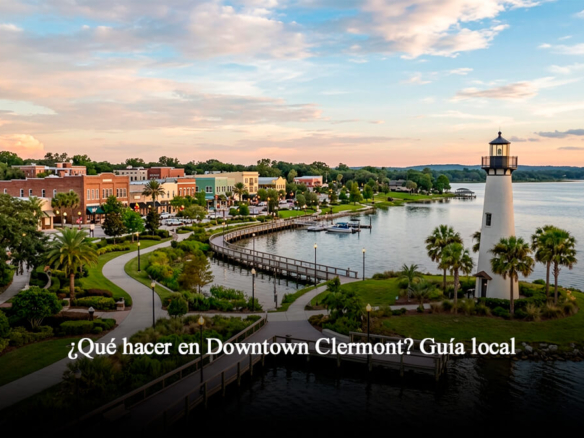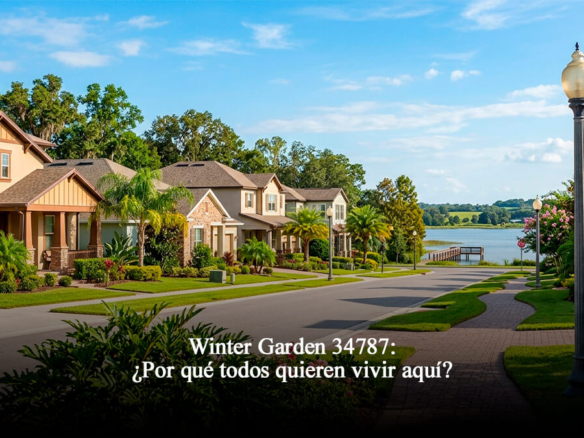
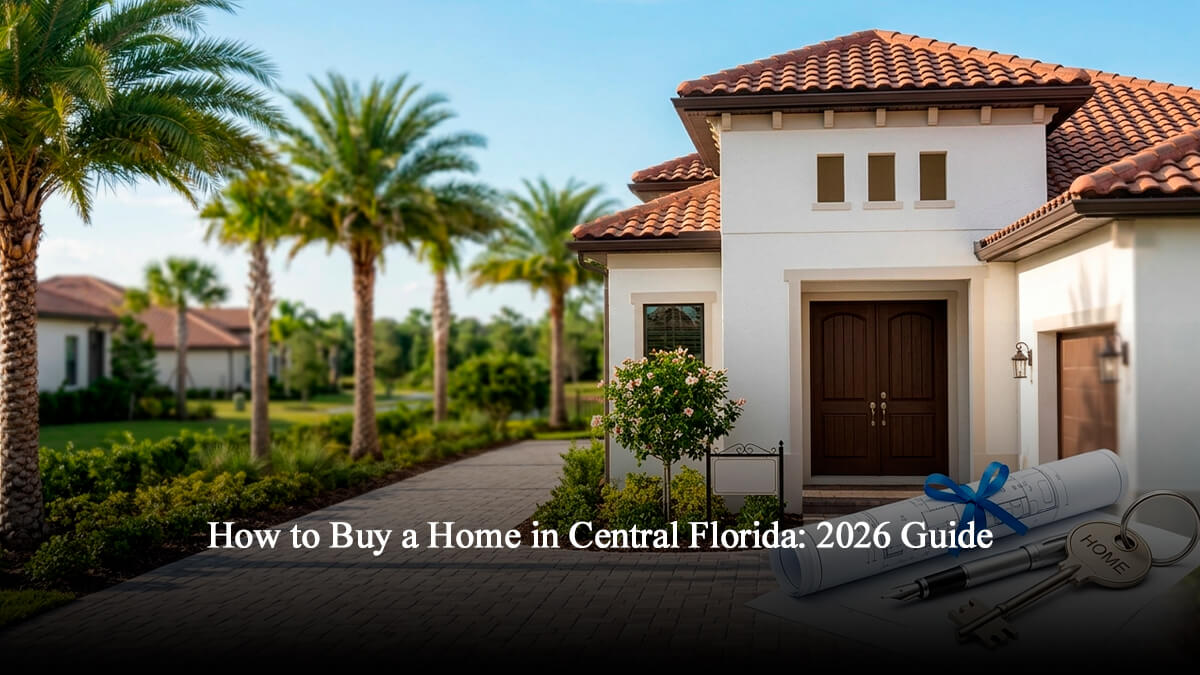
The Central Florida real estate landscape has evolved into something truly spectacular. We are no longer just a global vacation capital; as we move through 2026, our region has solidified its status as a premier macroeconomic powerhouse driving historic corporate relocations, technological expansions, and massive population growth. From the high-tech semiconductor developments winding through NeoCity to major infrastructure milestones, people from all over the world are choosing to plant roots right here.
Hi there! I’m Angela Rodriguez, Broker-Owner of Dream Finders Realty Group. Every single day, my team and I help families, professionals, and high-net-worth investors navigate our local neighborhoods. Whether you are eyeing a luxury estate in Windermere, a modern new build in Lake Nona, or a charming single-family home in Winter Garden, purchasing property is one of the most significant financial moves you will ever make.
However, buying a home here isn’t quite the same as it was a few years ago. Inventory strategies, evolving interest rate expectations, and localized carrying costs mean you need a modern, data-driven strategy. This comprehensive guide will walk you through exactly how to secure your piece of Central Florida paradise this year with absolute clarity and legal certainty.
1. Decoding the 2026 Central Florida Housing Dynamics
To win in today’s market, you have to understand the forces shaping it. A common trap many buyers fall into is trying to time the market perfectly. Many individuals believe that waiting out the market for a massive drop in interest rates is the best strategy, but as I have emphasized before, waiting for lower rates can often be a costly error. Because regional demand remains exceptionally high, a slight dip in interest rates instantly triggers an influx of sidelined buyers, driving up competition and home prices.
Furthermore, we are seeing a structural shift in what buyers prioritize. A significant percentage of incoming residents are deliberately targeting move-in-ready properties and avoiding intensive renovations. The sheer inflation of specialized labor and material costs has made fixing up an older home a secondary choice for buyers who want immediate stability. This has caused high-end new construction corridors—such as Horizon West in Winter Garden and the master-planned communities in South Clermont—to experience sustained momentum.
2. Your Step-by-Step Purchase Roadmap
Navigating a real estate transaction involves complex, legally binding timelines. Missing a contractual milestone can result in the forfeiture of your deposit or the cancellation of your contract. To ensure your interests remain entirely protected from initial pre-approval to the official closing table, follow this structured acquisition sequence:
Establish Your Financial Baseline: Secure a comprehensive mortgage pre-approval from a reputable local lender. This requires evaluating your debt-to-income (DTI) ratio and determining the specific income needed to buy a house in Orlando based on current structural pricing.
Partner with a Local Market Specialist: Align yourself with a dedicated buyer’s agent who understands hyper-local neighborhood trends, infrastructure developments, and homeowner association (HOA) regulations specific to Central Florida communities.
Conduct Targeted Property Scouting: Begin touring properties with an analytical eye. Look beyond aesthetic staging to evaluate core structural health, lot orientation, community proximity to local transit hubs, and long-term equity potential.
Craft a Structurally Sound Offer: Your agent will draft a formal “As-Is” Residential Contract for Sale and Purchase. This document outlines your offered purchase price, financing contingencies, escrow deposit amounts, and explicit inspection timelines.
Navigate the Inspection Period: Hire an independent, state-licensed inspector to complete a comprehensive top-to-bottom property evaluation. This is a critical protection step to uncover hidden mechanical, structural, or roof vulnerabilities before final commitments are made.
Execute Appraisals and Underwriting: The mortgage company will dispatch an independent appraiser to verify the home’s market value matches the contract price. Simultaneously, underwriters review your updated financial documents to issue a clear-to-close status.
Complete the Final Walkthrough and Close: Verify that the property’s condition is unchanged and all agreed-upon repairs are executed perfectly. Sign your formal closing disclosures, wire your remaining cash-to-close funds, and collect your keys.
3. Navigating Total Carrying Costs & Insurance Realities
When mapping out your real estate budget, focusing solely on your principal and interest mortgage payment is a critical mistake. A home’s true affordability depends on its complete monthly carrying cost, which includes mortgage, taxes, insurance, and HOA fees. For a detailed financial breakdown, you can review my guide on buying a home in Central Florida 2026: monthly payment, mortgage, taxes, insurance, and HOA.
Central Florida property taxes vary based on the specific county (Orange, Osceola, Seminole, or Lake) and whether you qualify for the Florida Homestead Exemption, which provides valuable tax savings for primary residents. Additionally, because our unique tropical climate features intense summer heat, humidity, and seasonal storm systems, understanding your home insurance allocations is paramount.
Securing affordable coverage requires looking into modern policy structures and leveraging structural safety features. When reviewing your overall Florida home insurance 2026 costs and monthly payments, you can substantially lower your monthly payments by ensuring the home has an active wind mitigation report and a four-point inspection certificate. These verified building documents prove to insurance underwriters that the roof, electrical wiring, plumbing, and HVAC systems meet modern storm-resistance standards, unlocking substantial premium discounts.
4. Hyper-Local Target Neighborhoods
Choosing where to buy in Central Florida means matching your lifestyle goals with specific micro-market growth trends. Central Florida is an incredible economic engine, frequently highlighted by regional authorities like the Orlando Economic Partnership for its staggering job growth and long-term equity trends. Here is a breakdown of the core communities driving substantial equity and interest right now:
Winter Garden & Horizon West
Once a quiet citadel of citrus groves, Winter Garden has transformed into one of the most sought-after addresses in the state. The historic downtown district offers an incredible brick-lined lifestyle with local boutiques, award-winning eateries, and the famous West Orange Trail. Just down the road, the master-planned development of Horizon West provides miles of modern construction, top-tier schools, and strategic proximity to major highway systems, making it a favorite for growing families and corporate professionals alike.
Windermere
Renowned for its historic sand-bottom Butler Chain of Lakes, Windermere remains the quintessential hub for luxury real estate. If privacy, sweeping canopy trees, prestige, and high-end waterfront living are your primary goals, Windermere’s exclusive gated enclaves provide unmatched long-term market stability and timeless appeal.
Lake Nona
Affectionately known as “Medical City,” Lake Nona is a global model for a forward-thinking, tech-centric community. Home to incredible medical research facilities, sports performance campuses (like the USTA National Campus), and aerospace innovation hubs, Lake Nona attracts a highly specialized workforce. The real estate here features ultra-modern architectural aesthetics, integrated smart-home technology, and exceptional community walkability.
5. Crucial Consumer Protections: The New Build Blindspot
Given the incredible volume of new construction spanning our suburbs, many buyers wonder if they can bypass traditional safeguards when purchasing a brand-new property. A dangerous misconception repeating itself in our market is that a brand-new home that has passed municipal code inspections doesn’t require an independent home inspection.
Let me be entirely candid as a broker navigating these contracts daily: a municipal code inspection simply ensures the house meets the bare minimum legal standard to be considered habitable. It does not ensure premium craftsmanship, nor does it guarantee that minor subcontractor oversights won’t turn into major structural failures down the road. Subcontractors are under immense pressure to deliver homes rapidly to meet historic demand, meaning steps can occasionally get rushed.
Whether you are purchasing a resale property or building a brand-new home from the ground up, protecting your hard-earned equity requires complete certainty. For this reason, I always emphasize why you need a home inspection for new builds in Central Florida. Working with independent inspectors to analyze foundations, rough framing, and final HVAC calibrations ensures you know exactly what you are purchasing before signing the final closing documents. To help you manage this phase seamlessly, my team ensures every single allocation—from initial earnest money to professional third-party inspection fees—is completely detailed within our comprehensive Central Florida Closing Costs Guide 2026.
6. Comprehensive Local Q&A
What income is needed to buy a house in Orlando in 2026?
The specific income required depends heavily on your down payment size, existing personal debt, and the target neighborhood’s price point. However, looking at current median home prices, a household generally needs an annual income of approximately $95,000 to $120,000 to comfortably qualify for a standard single-family home while keeping their debt-to-income ratio within safe underwriting parameters. For luxury zones or premium master-planned communities, that baseline shifts higher to account for increased asset values and localized HOA assessments.
Is it better to buy or rent first when moving to Central Florida?
If you are completely unfamiliar with the region, a short-term lease can offer a brief window to explore different suburbs. However, if you have a clear understanding of your long-term family or professional goals, buying immediately is almost always the superior wealth-building move. Renting means paying 100% interest to a landlord while missing out on valuable real estate appreciation and tax advantages. Securing a high-quality property early allows you to begin compounding real-world equity from day one. For a deep dive into this topic, check out my article on whether you should buy or rent first when moving to Central Florida.
What are the average closing costs for a buyer in Central Florida?
On average, buyers should prepare to pay between 2% and 5% of the home’s total purchase price in closing costs. These fees encompass lender underwriting allocations, title insurance policies, government recording fees, appraisal costs, and the pre-payment of your initial property tax and home insurance escrow accounts.
How do I protect my investment if I am a foreign buyer?
International buyers have exceptional opportunities here, especially since the state of Florida does not impose a personal state income tax, meaning net rental profits are only subject to U.S. federal rates. To maximize your return on investment and shield your personal capital, it is highly recommended to structure your purchase through a domestic entity, such as a Florida LLC. For a full analysis of tax structures and exemptions, please read my Central Florida Tax Incentives for Foreign Real Estate Investors (2026 Guide).
Your Next Steps Toward Homeownership
Purchasing a piece of Central Florida real estate is more than just a transaction; it is a profound step toward building long-term security, lifestyle freedom, and generational wealth. Navigating this fast-paced market requires an experienced advocate who will analyze the data, protect your financial timeline, and negotiate fiercely on your behalf.
For additional independent frameworks on modern consumer protection, loan disclosure requirements, and national lending standards, excellent consumer toolkits are provided directly by federal organizations like the Consumer Financial Protection Bureau (CFPB) and trade networks like Florida Realtors.
Are you ready to design a customized home-buying strategy tailored specifically to your family’s financial goals? Let’s connect today to explore the incredible communities winding through Orlando, Winter Garden, and beyond.
Angela Rodriguez
Broker-Owner | Dream Finders Realty Group
 (407) 993-1286 / @angela_turealtor