Hi! I’m Angela Rodriguez, Broker-Owner of Dream Finders Realty Group. If you have been following my updates, you know that I don’t just look at the houses on the market today; I look at the data that will define your equity tomorrow.
As we sit in mid-2026, the question I receive most frequently from both domestic and international investors is: “Angela, has the Florida boom peaked?” My answer is always backed by the numbers provided by the Florida Office of Economic and Demographic Research (EDR): Absolutely not. In fact, as we look toward 2027, we are entering a new phase of “Sustainable Hyper-growth.”
The 2027 Demographic Shift: Who is Moving to Central Florida?
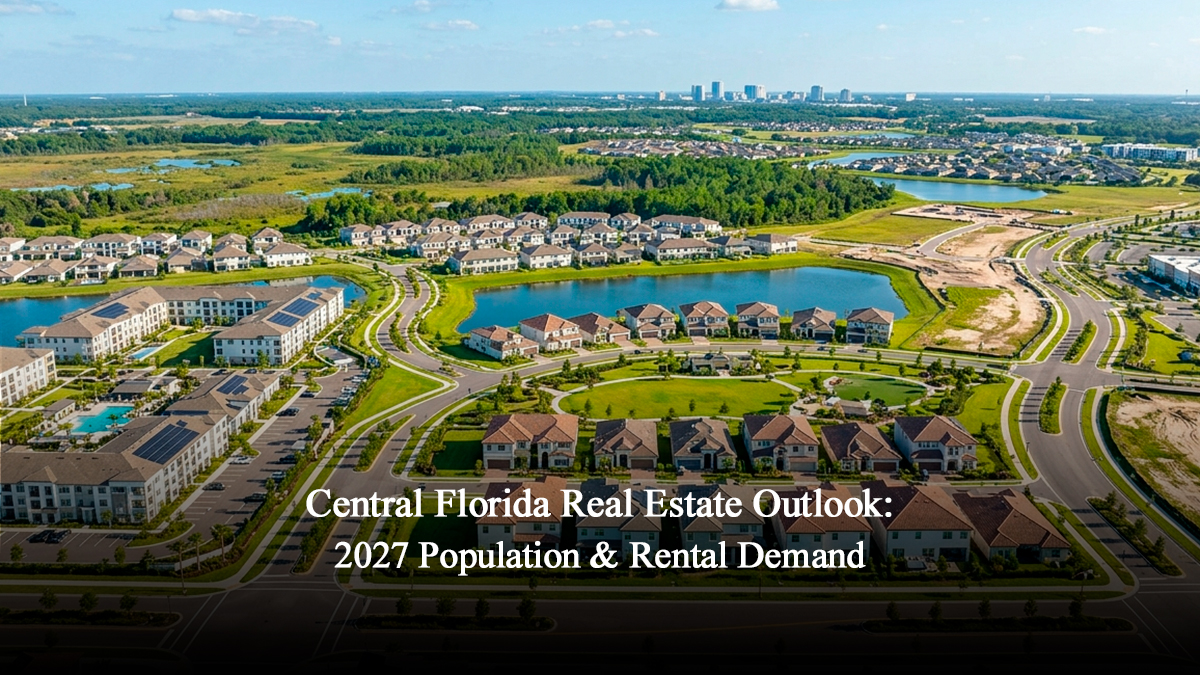
The narrative of “retirees only” is a thing of the past. By 2027, the Orlando-Kissimmee-Sanford MSA is projected to see a significant influx of Millennial and Gen Z professionals. We are seeing a massive migration of high-income earners from the Northeast and West Coast who are not just looking for sun, but for a business-friendly environment and a lower cost of living.
This population surge is the primary engine behind our real estate market. When you are moving to Central Florida in 2026: buy or rent first?, you are joining a community that is growing by approximately 1,000 people per week across the state, with a massive concentration in the I-4 corridor.
Rental Demand: The 2027 Pressure Cooker
Why is rental demand expected to skyrocket by 2027? Several factors are converging:
Interest Rate Lag: Even as rates stabilize, the “lock-in effect” from previous years keeps inventory tight, forcing many potential buyers to remain in the rental market longer.
Corporate Relocations: With the expansion of Lake Nona’s Medical City and the NeoCity tech hub in Osceola County, thousands of high-skilled employees are arriving with immediate housing needs.
Lifestyle Flexibility: A growing segment of the population prefers the mobility of renting, provided they can find move-in ready luxury properties that offer the amenities of a five-star resort.
According to recent data from Zumper’s National Rent Report, Orlando consistently ranks among the top cities for year-over-year rental growth. For an investor, this means consistent cash flow and historically low vacancy rates.
Strategic Hotspots: Where the Growth is Concentrated
In my daily work as a Realtor, I focus on “Path of Progress” areas. If you want to see where the 2027 rental demand will be highest, look no further than these three sectors:
1. Horizon West & Winter Garden
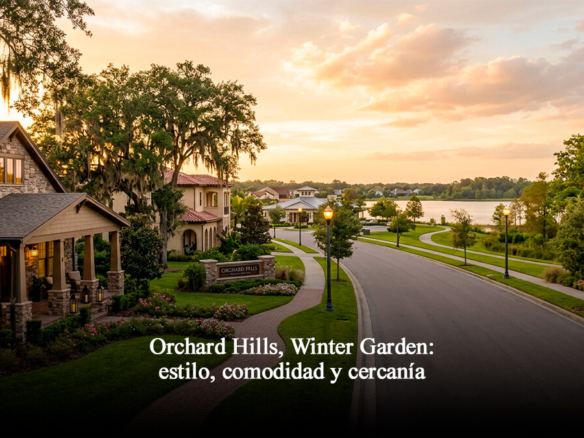
This is arguably the fastest-growing master-planned community in the United States. The infrastructure being built today is designed for the population of 2030. If you are curious about the cost of living in Winter Garden in 2026, you’ll find that while it is a premium market, the quality of life and school ratings keep the rental demand floor very high.
2. Windermere & Luxury Enclaves
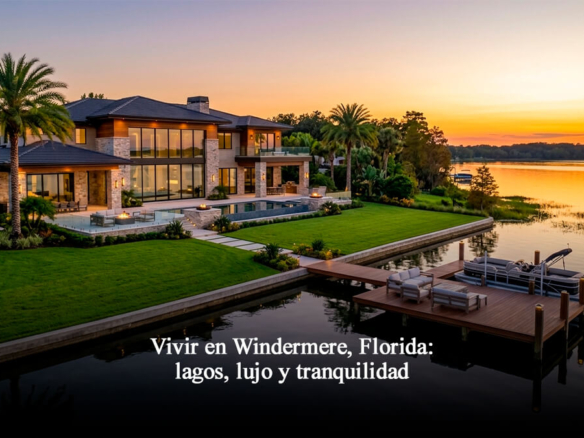
Windermere remains the gold standard for stability. In 2027, we expect luxury rentals to outperform the general market. High-net-worth individuals often rent in Windermere while building their custom estates, creating a niche but highly profitable rental market.
3. The “Build-to-Rent” Revolution
We are seeing a shift toward purpose-built rental communities. For investors, choosing between single-family vs. townhomes in 2026 is a critical decision. Townhomes in areas like Clermont and Ocoee are providing incredible yields because they hit the “sweet spot” of affordability for young families.
The Financial Reality: Insurance and Taxes in 2027
I wouldn’t be a responsible Broker if I didn’t mention the “hidden” side of the outlook. To be a successful landlord or homeowner in 2027, you must account for the evolving insurance landscape. Understanding Florida home insurance 2026 costs is vital for your 2027 projections.
Furthermore, your total monthly mortgage payment, including taxes and HOA, will be the determining factor in your ROI. In Central Florida, property taxes are generally 1.1% to 1.5% of the assessed value, and you must factor in the “Save Our Homes” cap if you are a primary resident versus an investor.
Is it still a good time to buy for 2027?
Many people wait for a “crash” that the data simply doesn’t support. With the U.S. Census Bureau confirming Florida’s status as a leader in domestic migration, the demand side of the equation is too strong for a significant price correction.
If you buy now, you are positioning yourself to capture the appreciation that will come as the 2027 population projections become a reality. However, you must be prepared for the transaction costs. I highly recommend reviewing my Central Florida Closing Costs Guide 2026 to ensure you have the liquid capital necessary to close your deal without surprises.
Angela’s Professional Advice for 2027
To win in the 2027 market, you need to:
Focus on Schools: Communities with “A-rated” schools in Orange and Lake Counties will always have the highest rental demand.
Prioritize New Construction: With the current insurance market, newer homes (built after 2023) receive significant discounts on premiums.
Leverage Technology: Smart homes are no longer an option; they are a requirement for high-end renters.
Questions & Answers
Will the Orlando real estate market crash in 2027?
Based on current inventory levels and the 2027 population growth projections, a “crash” is highly unlikely. We are seeing a transition from a frantic market to a “healthy” market where quality properties continue to appreciate at a sustainable rate of 3-5% annually.
Where is the best place to buy a rental property in Central Florida right now?
Areas like Winter Garden (34787), Lake Nona (32827), and the Horizon West corridor are leading in terms of rental demand and long-term appreciation potential due to massive infrastructure investments.
What is the average rent expected to be in Orlando by 2027?
While it varies by neighborhood, economists project that rents in the Central Florida area will continue to track slightly above the national inflation rate, driven by the persistent housing shortage and the influx of high-wage workers.
How much are closing costs for a buyer in Florida in 2027?
Buyers should typically budget between 3% and 4% of the purchase price for closing costs, which includes loan origination, title insurance, and prepaid escrow items for taxes and insurance.
Conclusion
The outlook for 2027 is bright, but it requires a sophisticated approach. Whether you are looking for your forever home in Windermere or a high-yield rental portfolio in Winter Garden, you need a partner who understands the intersection of lifestyle and logistics.
My name is Angela Rodriguez, and I am here to help you navigate these changes with confidence. Don’t leave your biggest investment to chance. Let’s look at the data together and build a strategy that secures your financial future in the Sunshine State.
Ready to explore the 2027 opportunities? Let’s talk!
Angela Rodriguez
Broker-Owner | Dream Finders Realty Group
(407) 993-1286 / @angela_turealtor
Disclaimer: The projections mentioned are based on current market trends and demographic data from 2026. Real estate investments carry inherent risks. Always consult with a financial advisor and your Realtor for personalized guidance.